Mirklurk: Every Step Matters Inventory & Weight in The Mirk
Slots, kilograms, coins, stashes, and what to leave behind.
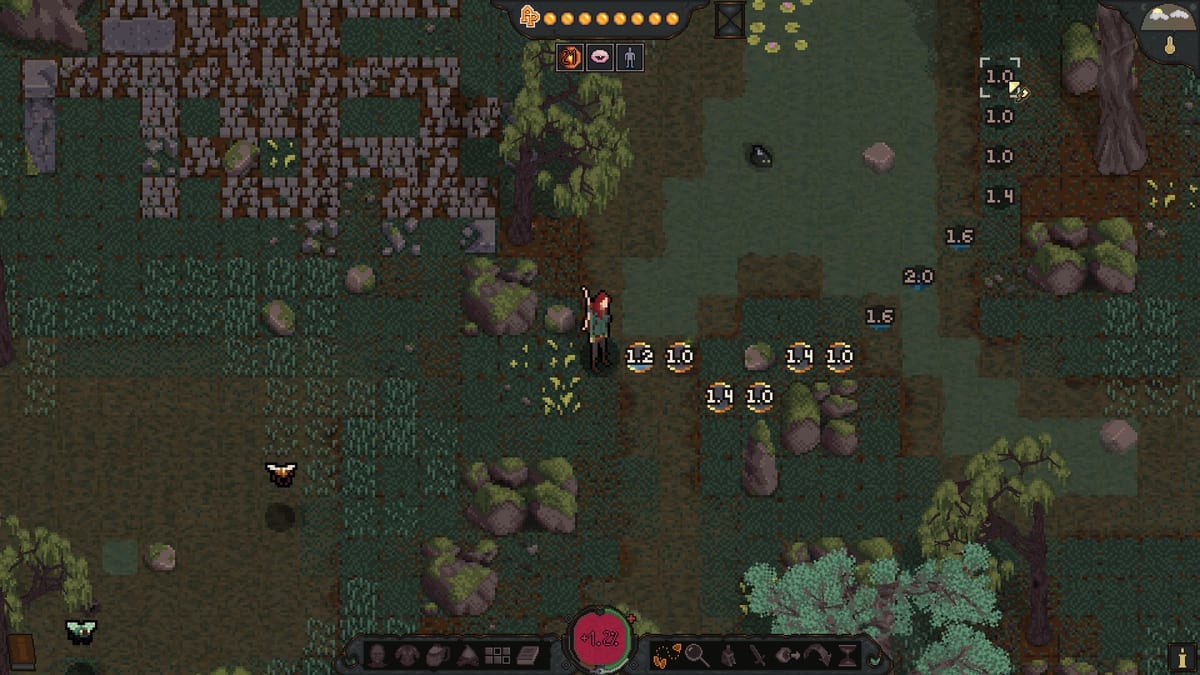
Inventory management is one of the hardest skills in Mirklurk: Every Step Matters. The Mirk does not only tax your Action Points and survival meters—it taxes slots and kilograms at the same time. Players who treat the backpack like a bottomless loot vacuum starve under the weight of coins, wet wood, and trophies they never needed for the next night.
This guide explains the dual inventory rules, coin logistics, weight skills, stash types, and packing habits that keep expeditions alive. Pair it with Camping, Crafting, and the survival checklist. New exiles should still finish Getting Started first.
Slots and weight together
Your satchel is slot-based and weight-based. An item can fail to fit because you ran out of grid spaces even when kilograms remain, or because you are over-encumbered even when empty cells remain. Long-form playthroughs and community notes both stress this dual constraint: feathers, coins, twigs, and tools each fight for room.
Over-encumbrance is not a soft warning sticker. Community reports and play videos show characters who stumble more when overloaded—wasted AP, failed moves, and cascading Focus accidents. Travel light enough that you can still climb, dodge, and light a fire after a bad fight.
Coins have mass and footprint
Copper, silver, and gold are physical objects. They occupy inventory space and add weight. Hauling fifty copper pieces across the swamp is a logistics failure, not a flex. Merchants can exchange denominations—community guides document 100 copper → 1 silver and 10 silver → 1 gold. Convert bulk copper near a shop, then store surplus currency in a chest beside that merchant instead of walking every coin into a dungeon.
If you are saving for an early axe, better sleeping bag, or buyable chest, park the stack at the garrison or survivor camp that sells it. The Trading & Economy Guide covers farm loops that fill those stacks without drowning your bag.
Pack Mule and Tailor-Made
Two skills directly reshape inventory pressure:
- Pack Mule increases carry weight per rank (community documentation cites about +1.5 kg per rank). Foragers who harvest endlessly feel this first.
- Tailor-Made reduces the weight of equipped armor per rank. Warriors who live in steel should invest here so combat kits stop crushing Warmth and climbing.
Neither skill deletes the need for stash discipline. They buy margin so you can bring a torch, salve, and dry wood without dumping your only weapon.
Stashes, Hidden Hollows, and buyable chests
Field storage comes in layers:
- Hidden Hollow / placed stashes — useful early, but community reports note a chance to damage or lose contents, and many placements cannot be picked back up. Treat them as semi-permanent fuel dumps, not vaults for irreplaceable quest gear.
- Garrison / watchtower storage unlocked by NPCs — safer parking for valuables while you chase the ranger or rift samples.
- Permanent / buyable chests (late EA into 1.0) — “perfect storage” style containers that reshape base-building. Patch notes also taught crafting to pull ingredients from nearby containers, so a tidy chest ring around your fire is now part of the craft loop.
Never assume a stump stash equals a buyable chest. Move critical medicine, skill-point bugs you intend to eat carefully, and unique weapons into the safest container you own.
Wet wood versus dry fuel
Wet logs and branches eat slots while refusing to behave as reliable fuel. Dry them in the warmth radius of a working fire—community tips describe an orange heat cue when drying applies at turn end. Chopping wet trunks into firewood can sometimes help moisture, but the reliable habit is: light with better fuel, park wet stock beside the fire under canopy, convert it before night.
Carrying three nights of wet wood “just in case” is how foragers die with full bags. Store the drying pipeline at camp; carry only the dry allotment your next loop needs. Details live in Camping.
Packing for a day loop versus a dungeon
Day forage kit: weapon or tool that also harvests, knife/axe, light food, a few stones, starter twigs, empty slots for eggs/feathers/plant fiber, waterproofing if rain threatens.
Dungeon kit: dry wood or torch plan, wound salve, food for Hunger if you cast hunger-tax orbs, Focus buffer (rest before entry), and the hard choice between shield and torch—caves often force light in a hand that wanted a shield. See Dungeons & Caves.
Leave treasure that is not worth the kilograms. Steam’s own fantasy line is literal: decide what to bring into darkness and what to abandon.
Loadout swaps at camp
Steel chestplates help in scrap and hurt climbing and Warmth. Keep combat steel in a chest; walk in lighter kits; swap at the canopy edge when you commit to a fight. The Forager build leans on this discipline; warriors should too.
Common inventory failures
- Walking with unsorted copper when silver would free six slots.
- Stashing your only firestriker three biomes from camp.
- Filling Hidden Hollows with unique loot.
- Entering caves over-encumbered so every stumble costs Focus.
- Ignoring Pack Mule / Tailor-Made until the bag is already a crisis.
Closing loop
Inventory is survival written in kilograms. Master exchange, drying, and stash tiers, then let Early Game Tips and the Guides Hub steer the rest of your exile. Every step matters—make sure the next step is not blocked by a pocket full of wet twigs.
Frequently Asked Questions
Quick answers for surviving The Mirk.
Is inventory only weight-based?
No. It is both slot-based and weight-based. You can run out of cells or kilograms independently.
Do coins take inventory space?
Yes. Copper, silver, and gold are physical items with weight. Exchange denominations at merchants and store surplus near shops.
What does Pack Mule do?
Pack Mule increases carry weight per rank (community docs cite about +1.5 kg per rank), giving foragers more harvest margin.
Are Hidden Hollows safe vaults?
Treat them as semi-permanent dumps with risk. Prefer garrison storage or buyable/permanent chests for irreplaceable gear.
Should I carry wet wood everywhere?
No. Dry it in a fire warmth radius at camp and carry only the dry fuel your next loop needs.